
The Essential Guide to Designing User-Centric Smart Technology Environments
The Essential Guide to Designing User-Centric Smart Technology Environments
Most smart technology projects stumble because they forget the people who actually use the systems. If your automation, networking, or AV solutions feel complicated or clunky, you’re not alone. This guide reveals how a user-centric smart technology approach simplifies design and boosts reliability, making your space easier to manage and more future-proof. Read on to learn how Smartopia’s proven framework can help you integrate technology smoothly and confidently. For further reading, check out this link.
Planning User-Centric Smart Environments

Creating a user-friendly environment begins with understanding the people involved. This means diving into stakeholder needs, workflows, and system compatibilities.
Identifying Key Stakeholders
Start by pinpointing who will use or be impacted by the technology. This can include building occupants, IT specialists, and operational heads. Engaging these individuals early helps ensure the system meets actual needs, not just assumed ones. Consider hosting workshops or surveys to gather insights. Key insight: Early involvement leads to smoother transitions.
Mapping Workflows for Integration
Once stakeholders are identified, map out existing workflows. Understanding how tasks currently flow offers clues on integrating new technology seamlessly. Use simple diagrams to visualize processes. This clarity helps in spotting areas where technology can simplify or enhance operations. Remember, most people think complex systems are unavoidable, but simple tweaks can often make a big difference.
Ensuring System Interoperability
Systems must work well together. Assess your current technology and identify potential integration challenges. Ensuring compatibility across devices is crucial for smooth operation. Prioritize solutions that adhere to common standards. For those interested, the Fundamentals of User-Centered Design offers more insights on achieving interoperability.
Deploying Smart Technology Solutions

With a solid plan in place, the next step is the actual deployment. This involves designing networks, installing AV systems, and setting up EV charging.
Designing Secure Enterprise Networks
A robust network forms the backbone of any smart environment. Focus on security and reliability. Implement strong firewalls and regular updates. Keep user needs at the forefront: a secure network shouldn’t be a hassle. Statistic: 58% of businesses experience network issues due to outdated setups.
Implementing Professional AV Systems
AV systems should enhance communication and presentations. Consider factors like room acoustics and user-friendliness. Opt for systems that allow easy adjustments. In boardrooms, features like wireless connectivity and intuitive controls are key. For a deeper dive, the Essential Guide to User Interface Design can be helpful.
Integrating EV Charging Infrastructure
As electric vehicles become more common, integrating charging stations is crucial. Position them conveniently and ensure they are easy to use. A well-placed charging station can encourage eco-friendly practices among users. Statistic: 80% of EV users prefer locations with accessible charging options.
Commissioning and Ongoing Support
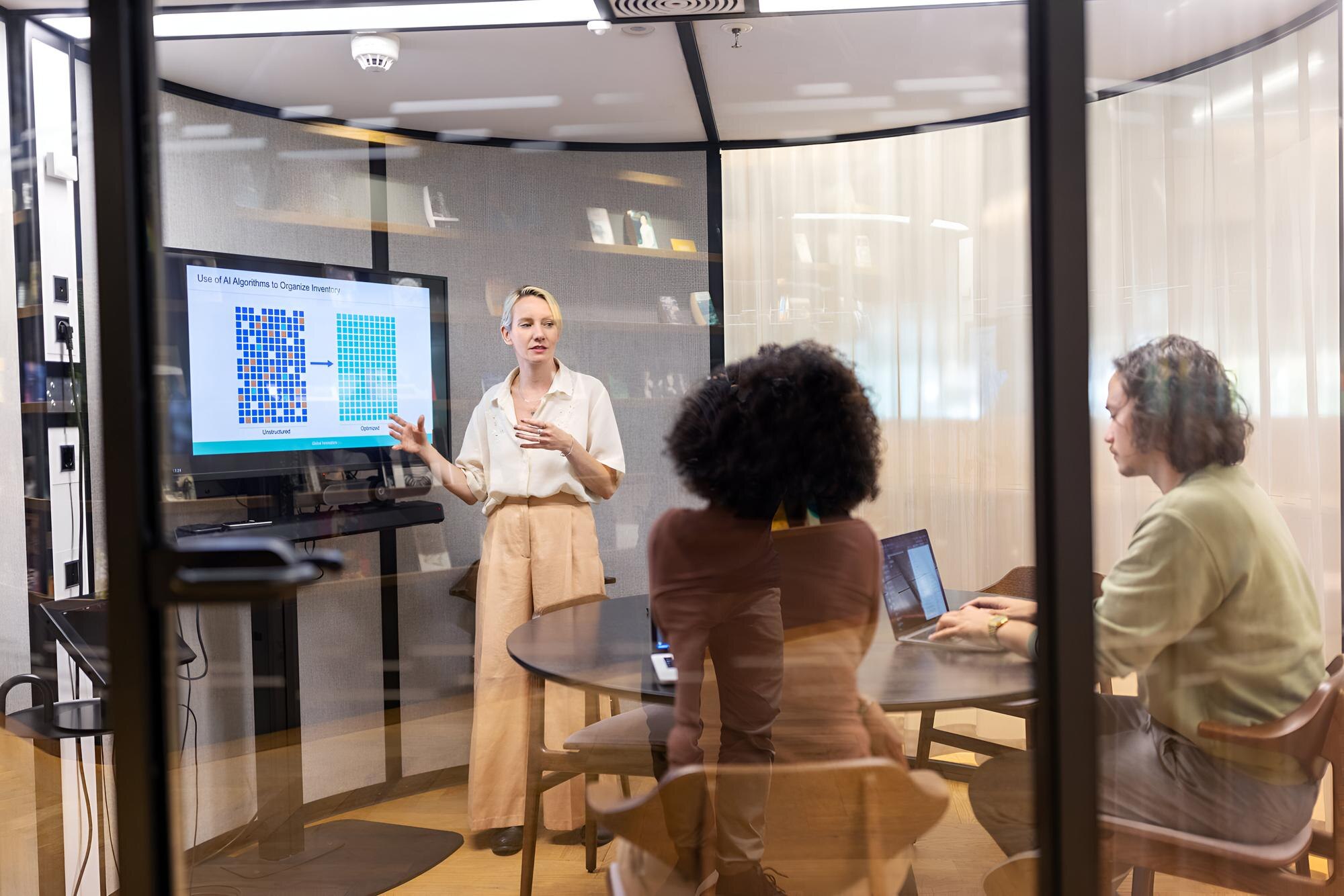
After deployment, focus shifts to ensuring everything runs smoothly and adapting to future needs.
Best Practices for System Commissioning
Commissioning verifies that systems perform as intended. Conduct thorough tests and involve stakeholders in the process. It’s not just about functionality but also user satisfaction. Regular feedback loops can catch minor issues before they become big problems.
Developing a Comprehensive Support Plan
A strong support plan ensures longevity and user satisfaction. Offer training sessions and establish a dedicated support team. This proactive approach reduces downtime and enhances user confidence. Remember, technology is only as good as the support behind it.
Preparing for Future Technological Needs
Technology evolves rapidly. Stay ahead by regularly reviewing and updating systems. Consider scalable solutions that adapt to changes. This future-proofing strategy ensures that your investment remains valuable. For insights on staying prepared, explore the Handbook of User-Centered Design.
In conclusion, designing user-centric smart environments requires thoughtful planning, strategic deployment, and ongoing support. By focusing on stakeholder needs and system integration, you can create spaces that are not only efficient but also future-ready.

Comments are closed