
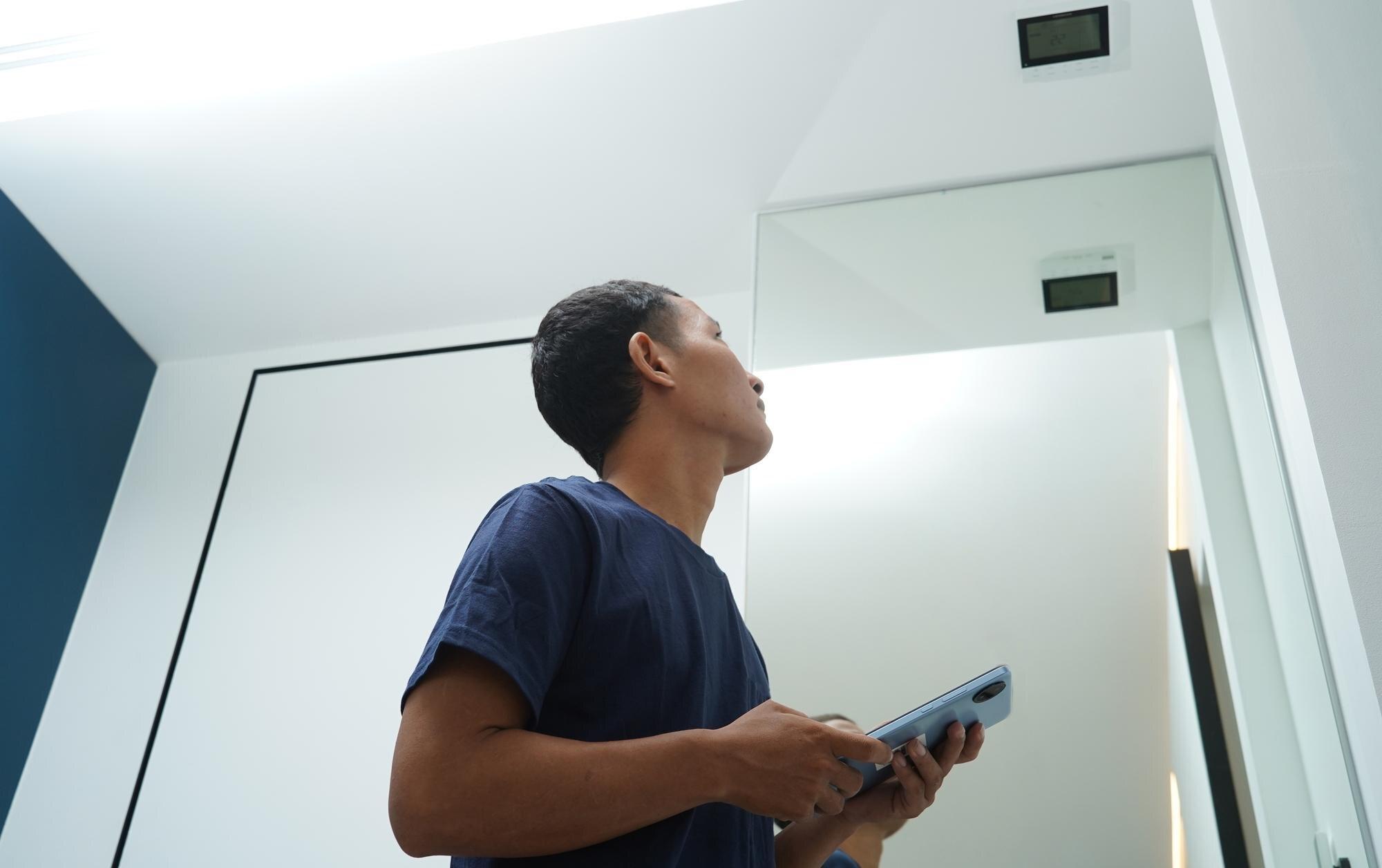
How Disconnected Building Systems Drain Your Budget—and How to Fix It
Disconnected building systems quietly drain your budget through hidden energy waste and costly maintenance. When your systems don’t communicate, operational downtime spikes and risks multiply. Smartopia’s building automation integration creates unified control systems that cut these costs and boost your ROI. Read on to see how integrated solutions can protect your investment and simplify facility management. Learn more about the hidden costs of disconnected systems here.
Hidden Costs of Disconnected Systems
Disconnected systems in buildings not only lead to inefficiencies but also increase your operational costs significantly. Understanding these hidden costs can help you take steps towards more efficient solutions.
Energy Waste and Financial Impact
When your building systems don’t communicate, energy waste becomes a major issue. Heating, ventilation, and air conditioning (HVAC) systems may run unnecessarily, consuming more energy than needed. This lack of coordination can cause your energy bills to skyrocket. For example, if your lighting and HVAC systems operate independently, you might end up lighting and heating empty spaces, which is a direct waste of resources.
Furthermore, this energy waste affects your bottom line. The money spent on unnecessary energy usage could be better allocated to more beneficial projects. Reducing this waste by ensuring all systems are integrated can lead to substantial savings. In fact, studies show that integrated systems can save businesses up to 20% on energy costs annually. By cutting down on waste, you not only save money but also contribute positively to environmental sustainability.
Maintenance Costs and Operational Downtime
Disconnected systems also mean more frequent and costly maintenance. When systems don’t work together, identifying and fixing issues becomes more complex and time-consuming. This results in prolonged downtime, which can disrupt daily operations and lead to loss of productivity. Frequent breakdowns and the need for constant repairs increase maintenance expenses, putting an additional strain on your budget.
In contrast, when systems are integrated, potential issues can be identified and addressed more quickly, minimizing downtime. Integrated systems provide real-time data, allowing for proactive maintenance rather than reactive fixes. This not only cuts costs but also ensures that your facility operates smoothly, reducing the risk of unexpected interruptions.
Benefits of Building Systems Integration
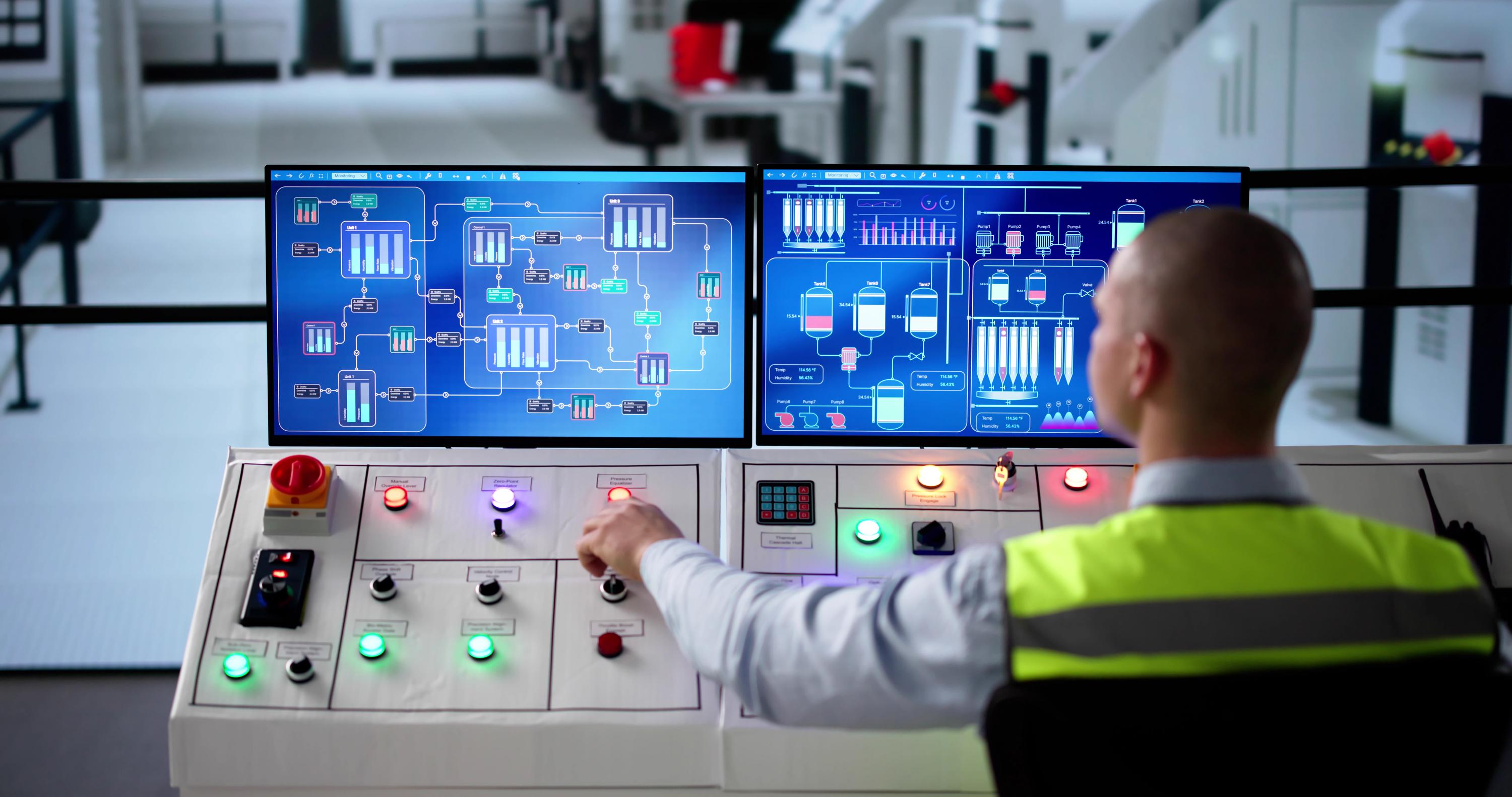
Integrating your building systems offers numerous advantages, from increasing your return on investment (ROI) to enhancing overall efficiency.
Enhancing ROI with Smart Buildings
Smart buildings represent the future of facility management by offering enhanced ROI through improved efficiency and control. By integrating systems like HVAC, lighting, and security, you can manage resources more effectively, ensuring that every dollar spent contributes to productivity and comfort. For instance, automated lighting that adjusts based on occupancy not only saves energy but also increases the lifespan of your lighting fixtures.
Additionally, smart buildings provide valuable insights into resource usage, helping you make informed decisions. This data-driven approach can lead to cost reductions and increased efficiency. Reports indicate that smart building technologies can improve operational efficiency by up to 30%, making a compelling case for integration.
Predictive Maintenance and Cost Savings
Predictive maintenance is a key benefit of integrated systems. By continuously monitoring system performance, you can predict and prevent potential failures before they occur. This proactive approach reduces maintenance costs and extends the lifespan of your equipment. Imagine knowing when a part is about to fail and replacing it before it causes a full system shutdown.
The cost savings from predictive maintenance are significant. By avoiding unexpected breakdowns, you save on emergency repair costs and minimize downtime. This approach also ensures that your systems operate at peak efficiency, further enhancing your ROI. Embracing predictive maintenance can transform how you manage building operations, leading to long-term financial benefits.
Smartopia’s Integrated Solutions
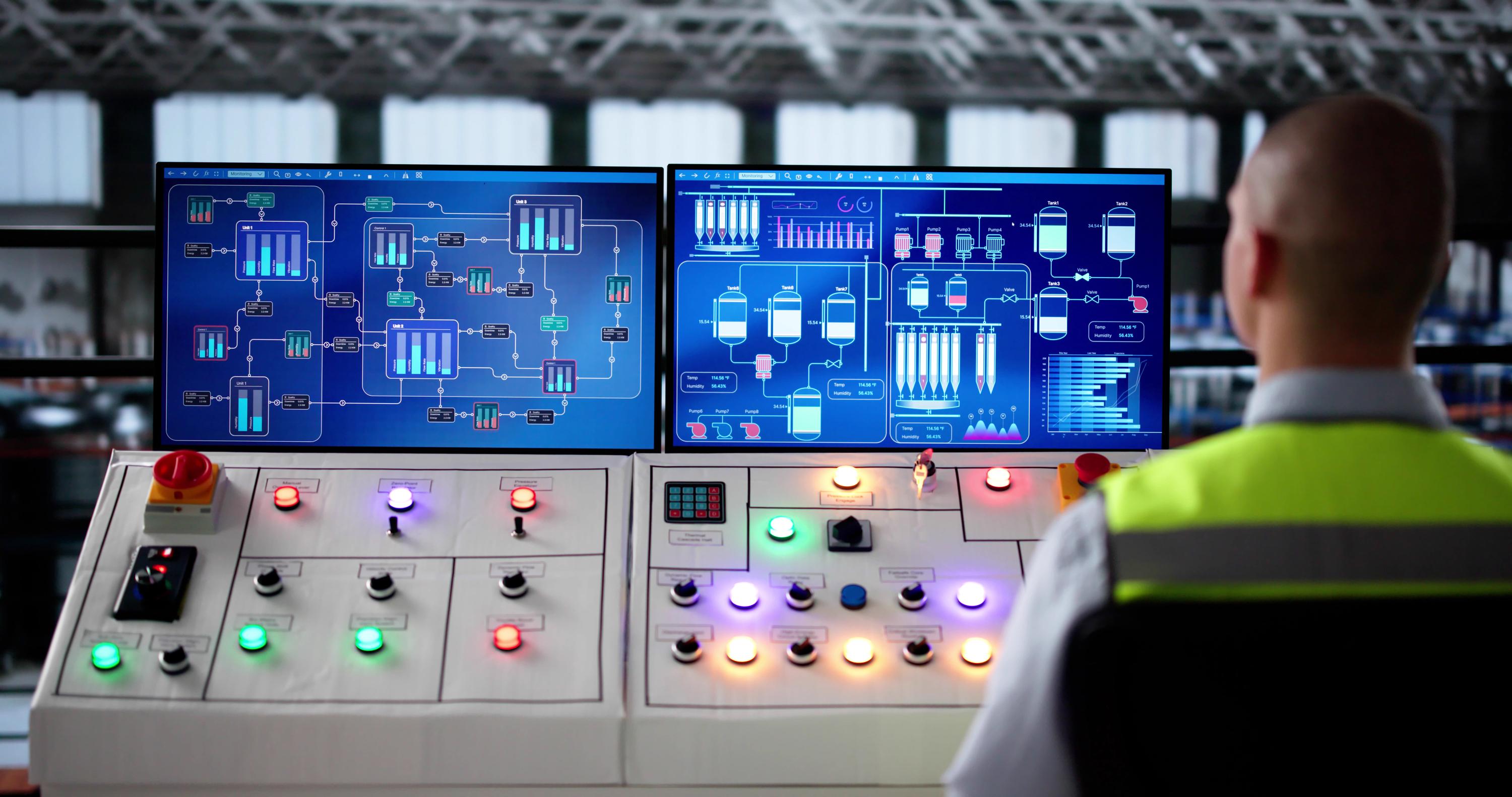
Smartopia offers a comprehensive suite of integrated solutions designed to optimize your facility’s performance and security.
Unified Control Systems and Cybersecurity
Smartopia’s unified control systems bring all your building technologies under one platform, simplifying management and increasing efficiency. With a single interface, you can monitor and control all aspects of your building, from lighting to security. This not only saves time but also reduces the likelihood of human error.
Cybersecurity is a critical component of these systems. As connectivity increases, so do potential security risks. Smartopia ensures that your integrated systems are protected against cyber threats, safeguarding your data and operations. A secure building is a productive building, and Smartopia’s solutions prioritize your facility’s safety.
EV Charging and Smart Security Integration
Incorporating EV charging stations into your building’s infrastructure is another way Smartopia enhances value. As electric vehicles become more prevalent, providing charging solutions can attract tenants and visitors, adding a revenue stream. Integrating these stations with your building’s systems ensures efficient energy use and management.
Smart security systems are also integral to maintaining a safe environment. By integrating security with other building systems, you can create a cohesive approach to safety. For instance, security cameras linked with lighting and access control provide comprehensive coverage, enhancing the security of your facility.
Frequently Asked Questions
Why is building systems integration important?
Building systems integration is crucial because it enhances efficiency, reduces energy waste, and lowers maintenance costs. When systems work together, your facility runs more smoothly and cost-effectively.
How does predictive maintenance save money?
Predictive maintenance saves money by identifying potential issues before they lead to system failures. This reduces emergency repair costs and minimizes downtime, ensuring continuous operation.
What are the benefits of Smartopia’s unified control systems?
Smartopia’s unified control systems offer streamlined management and increased efficiency. They allow you to monitor and control all building functions from a single platform, improving operational performance.
How can EV charging integration benefit my facility?
Integrating EV charging stations attracts more tenants and visitors, creating a potential revenue source. It also ensures efficient energy use, aligning with sustainability goals.
What role does cybersecurity play in building integration?
Cybersecurity protects integrated systems from potential threats, ensuring that your building’s data and operations remain secure. A strong cybersecurity framework is essential for maintaining trust and reliability.

Comments are closed