
Five smart strategies to integrate EV charging in mixed‑use developments
Five Smart Strategies to Integrate EV Charging in Mixed‑Use Developments
EV charging integration in mixed-use developments can feel like solving a complex puzzle. You need a system that scales with your property, balances electrical capacity, and keeps tenants happy. This post lays out five clear strategies to help you design EV-ready infrastructure that fits today’s demands and tomorrow’s growth. Read on to see how Smartopia’s proven approach makes your project both reliable and future-proof. For more insights, you can refer to this resource.
Scalable EV Charging Design
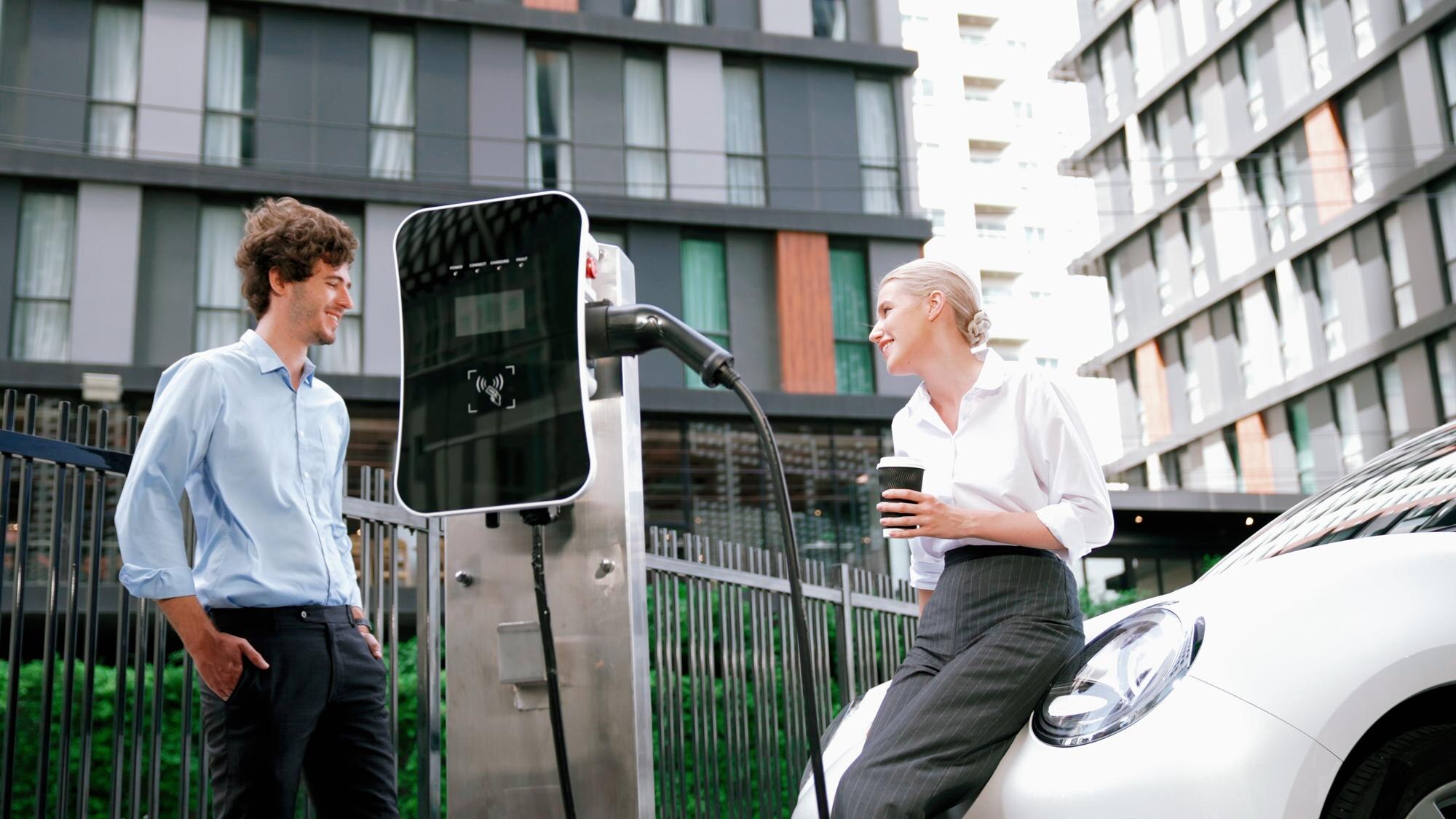
Incorporating EV charging into mixed-use developments starts with understanding the fundamentals. Let’s explore how to create a scalable design that meets both current and future needs.
Understanding Electrical Capacity Planning
To build a reliable charging infrastructure, you must first assess your electrical capacity. Determine how much power your site can handle without overwhelming existing systems. This step ensures your infrastructure can grow alongside demand.
-
Assess Current Capacity: Before installing chargers, evaluate your current grid. Check if it supports additional load from EV chargers without causing outages.
-
Plan for Growth: Consider future expansions. As EV adoption rises, more chargers will be necessary. Ensure your site can accommodate this increase.
Many developers overlook capacity planning, risking system overload. Avoid this pitfall by consulting with experts. This proactive step will save time and resources later on.
Future-Proof Infrastructure Solutions
Creating future-ready infrastructure involves more than adding chargers. You need a robust plan that adapts to changing technology and user needs. Here’s how.
-
Flexible Design: Use modular systems that allow for easy upgrades. This flexibility ensures you can incorporate new technologies as they emerge.
-
Scalable Infrastructure: Start with a few chargers, but plan for more. Design your layout to accommodate additional units without major renovations.
-
Smart Technology Integration: Implement smart systems that monitor and adjust energy use. This will optimize efficiency and keep costs down.
By focusing on these elements, you’ll ensure your development is prepared for the future. Most people think adding chargers is enough, but a comprehensive approach is vital.
Smart Parking and Network Security

Once your infrastructure is in place, consider the user experience. Smart parking solutions and secure networks enhance tenant satisfaction and safety.
Tenant Billing for EV Charging
Billing can be a headache for property managers. Simplify this process with transparent systems that benefit both you and your tenants.
-
Automated Billing Systems: Implement systems that track usage and generate bills automatically. This reduces manual work and errors.
-
Transparent Pricing Models: Offer clear pricing to avoid tenant disputes. Display rates at charging stations and online.
-
User-Friendly Platforms: Use platforms that allow tenants to track their usage. This empowers them to manage costs effectively.
By streamlining billing, you enhance tenant relations and operational efficiency. Many believe manual billing is adequate, but automation greatly improves the process.
OCPP Networked Chargers and BMS Integration
Networked chargers connected to a Building Management System (BMS) optimize performance. Here’s how they work together.
-
OCPP Standardization: Use chargers with Open Charge Point Protocol (OCPP) for compatibility with various management systems.
-
BMS Integration: Connect chargers to your BMS to monitor energy use in real-time. This integration allows for dynamic load management.
-
Enhanced Security: Networked systems offer better security features. Protect sensitive data from unauthorized access.
Integrating these systems enhances reliability and user experience. Most developers underestimate the importance of networked solutions, missing out on potential benefits.
Sustainable Energy Coordination

Sustainability is key in modern developments. Coordinate energy sources to meet demand while reducing environmental impact.
Demand Response and Load Management
Balancing energy demand with supply is crucial. Use demand response strategies to manage your load effectively.
-
Smart Load Management: Install systems that automatically adjust charging based on grid capacity. This prevents overloads and reduces costs.
-
Incentive Programs: Participate in utility incentive programs to lower expenses. These programs reward off-peak energy use.
-
Real-Time Monitoring: Use technology to monitor energy use. Adjust strategies based on data to optimize performance.
Demand response not only reduces costs but also supports grid stability. Many developers ignore these strategies, missing cost-saving opportunities.
Solar and Battery Storage Synergies
Integrating solar panels and battery storage creates a sustainable energy loop. Here’s how to implement these solutions.
-
Solar Integration: Install panels to generate renewable energy. Use this power for EV chargers, reducing reliance on the grid.
-
Battery Storage: Store excess solar energy in batteries. Use this stored power during peak times to save on costs.
-
Energy Synergies: Combine solar and battery systems for maximum efficiency. This synergy reduces environmental impact and enhances sustainability.
By coordinating these systems, your development becomes more sustainable and cost-effective. The longer you wait to implement these solutions, the more potential savings you miss.
Conclusion
Creating a successful EV charging plan for mixed-use developments requires a strategic approach. From understanding electrical capacity to implementing sustainable energy solutions, each step enhances your development’s value and efficiency. By following these strategies, you ensure your project is both reliable and future-proof.

Comments are closed