
Designing User-Friendly Smart Automation for Commercial Buildings: A Practical Guide
Designing User-Friendly Smart Automation for Commercial Buildings: A Practical Guide
Forget everything you know about commercial building automation complexity. Managing multiple systems often means juggling confusing interfaces and unreliable controls. This guide breaks down how to design user-friendly automation that works smoothly and intuitively, making your smart building design a trusted asset. Ready to see how Smartopia’s approach simplifies BMS integration and IoT integration for the GTA? Check out this guide for more insights.
Understanding Commercial Building Automation
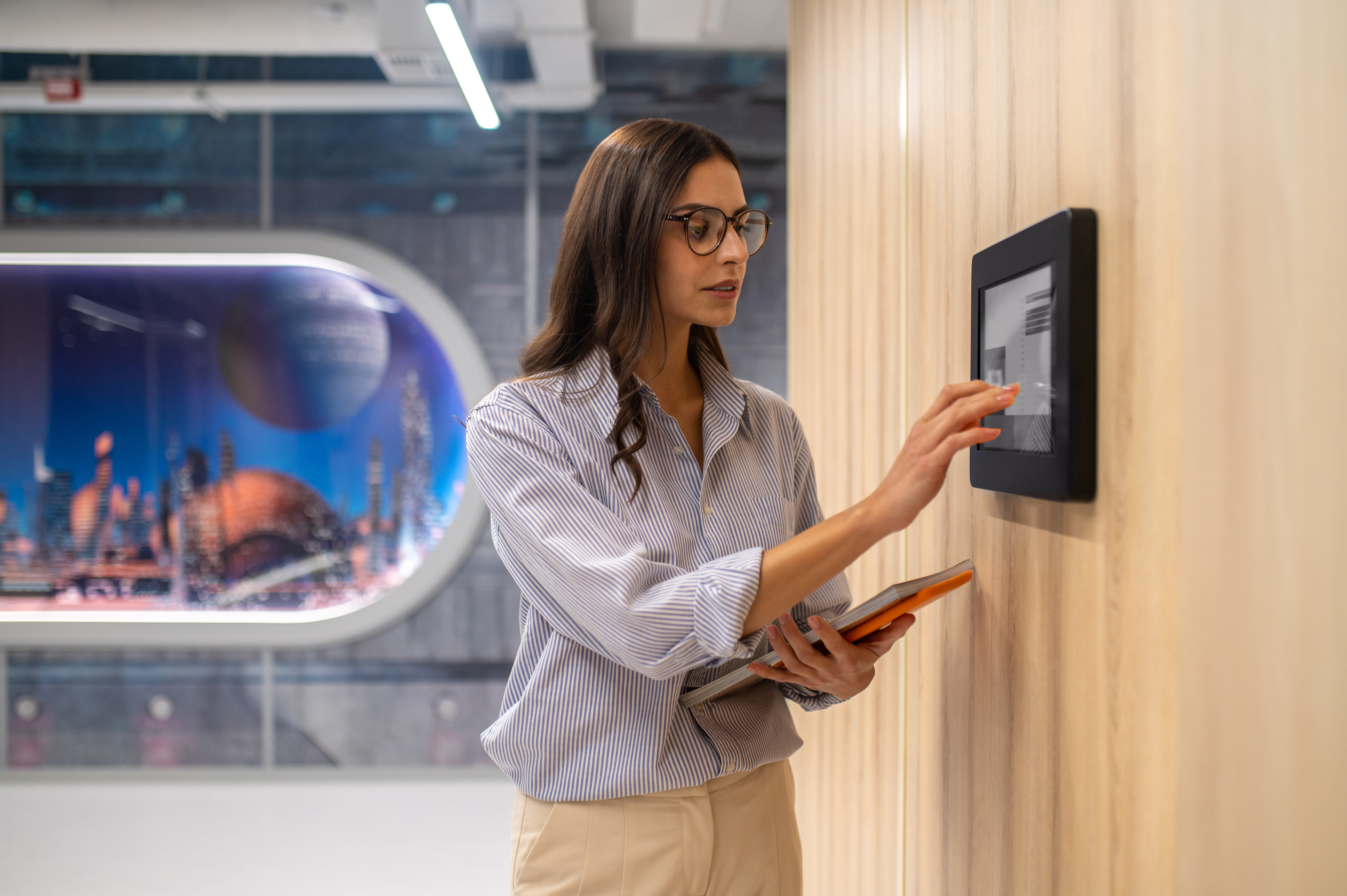
Modern commercial spaces thrive on smart automation. This section outlines the foundation for creating intelligent environments.
Key Components of Smart Building Design
Smart building design involves several critical components. To start, automation systems are at the core. These systems control everything from lighting to HVAC. They ensure that all parts of your building work together smoothly. For example, motion sensors can dim lights in unoccupied rooms, saving energy and costs.
Another key component is the network infrastructure. A robust network keeps your building’s systems connected and efficient. It supports technologies like digital signage systems and room scheduling panels, enhancing communication and space utilization. A well-designed network ensures that all systems communicate effectively.
Lastly, security systems play a vital role. They include access control and video surveillance. These systems protect your building and its occupants. They also integrate with other technologies for seamless operation. By choosing the right components, you create a smart building that is safe, efficient, and user-friendly.
Benefits of User-Friendly Automation
User-friendly automation brings numerous benefits. First, it simplifies complex tasks. With intuitive controls, managing a building becomes straightforward. For example, a single interface can adjust lighting, temperature, and security settings. This saves time and reduces the chance for errors.
Moreover, such automation enhances comfort for occupants. Imagine a meeting room that automatically adjusts its temperature and lighting based on occupancy. This creates a pleasant environment, boosting productivity and satisfaction. People can focus on their tasks without worrying about the surroundings.
Furthermore, user-friendly automation is cost-effective. Systems that optimize energy use can significantly lower utility bills. For example, occupancy sensors ensure that lights and HVAC systems operate only when needed. This not only cuts expenses but also supports sustainability goals. User-friendly automation transforms buildings into efficient, enjoyable spaces.
Designing Intuitive Automation Systems
Transitioning from understanding automation benefits, let’s explore how to design systems that are both intuitive and effective.
BMS Integration and BACnet Protocol
Building Management Systems (BMS) are crucial for automation. They integrate various building functions, offering centralized control. BACnet protocol is a key enabler here. It allows different systems to communicate seamlessly. For instance, HVAC, lighting, and fire safety systems can interact and optimize operations in real time.
When designing your BMS, prioritize compatibility. Ensure that all components work with BACnet. This prevents communication barriers and enhances system performance. Additionally, consider future upgrades. A flexible system can adapt to new technologies, keeping your building ahead of the curve.
Reliability is another factor. A robust BMS minimizes downtime and maintenance needs. It keeps your building running smoothly, ensuring comfort and safety for occupants. By focusing on integration and reliability, your BMS can significantly improve building operations and efficiency.
IoT Integration for Seamless Operations
The Internet of Things (IoT) transforms building automation. By connecting devices, IoT enables real-time data exchange. This leads to improved decision-making and efficiency. For example, IoT sensors can monitor energy usage and adjust systems accordingly. This reduces waste and lowers costs.
Integrating IoT requires a well-designed infrastructure. Start with a secure network. It must handle large amounts of data while protecting against cyber threats. Next, select IoT devices that suit your building’s needs. Sensors, cameras, and smart meters are common choices. They provide valuable insights into building performance.
Finally, consider how IoT data will be used. Implement analytics tools to interpret data and make informed decisions. This turns raw information into actionable insights. With IoT integration, your building can achieve seamless operations and enhanced efficiency.
Smart Office Solutions and Enterprise Networking Toronto
In the realm of commercial spaces, smart office solutions are transformative. These technologies improve collaboration and streamline operations. Consider enterprise networking as a foundation. A strong network supports various office technologies, from video conferencing to digital signage.
Smart office solutions include meeting room AV systems. These systems simplify presentations and facilitate communication. They are essential for effective meetings and collaboration. Room scheduling panels are another valuable tool. They optimize space usage by displaying room availability and booking information.
Moreover, integrating these solutions requires careful planning. Ensure that all components work together harmoniously. This involves selecting compatible devices and designing a network that supports them. With the right approach, your office can become a hub of productivity and innovation.
Ensuring Reliable and Secure Solutions

To maintain a high-performing building, reliability and security are paramount. This section explores the steps to achieve these goals.
Proactive Maintenance and Support
Proactive maintenance keeps your automation systems running smoothly. Regular checks prevent issues before they occur. This approach minimizes downtime and extends the lifespan of your equipment. Schedule routine inspections and updates for all systems, from HVAC to security.
Support is equally important. Having a reliable tech support team ensures quick resolution of any problems. They provide guidance on system usage and troubleshooting, enhancing user experience. A proactive approach to maintenance and support saves time and resources in the long run.
Additionally, consider investing in remote monitoring. This technology allows real-time tracking of system performance. It alerts you to potential issues, enabling swift action. With proactive maintenance and support, your building remains efficient and reliable.
Access Control and Video Surveillance Systems
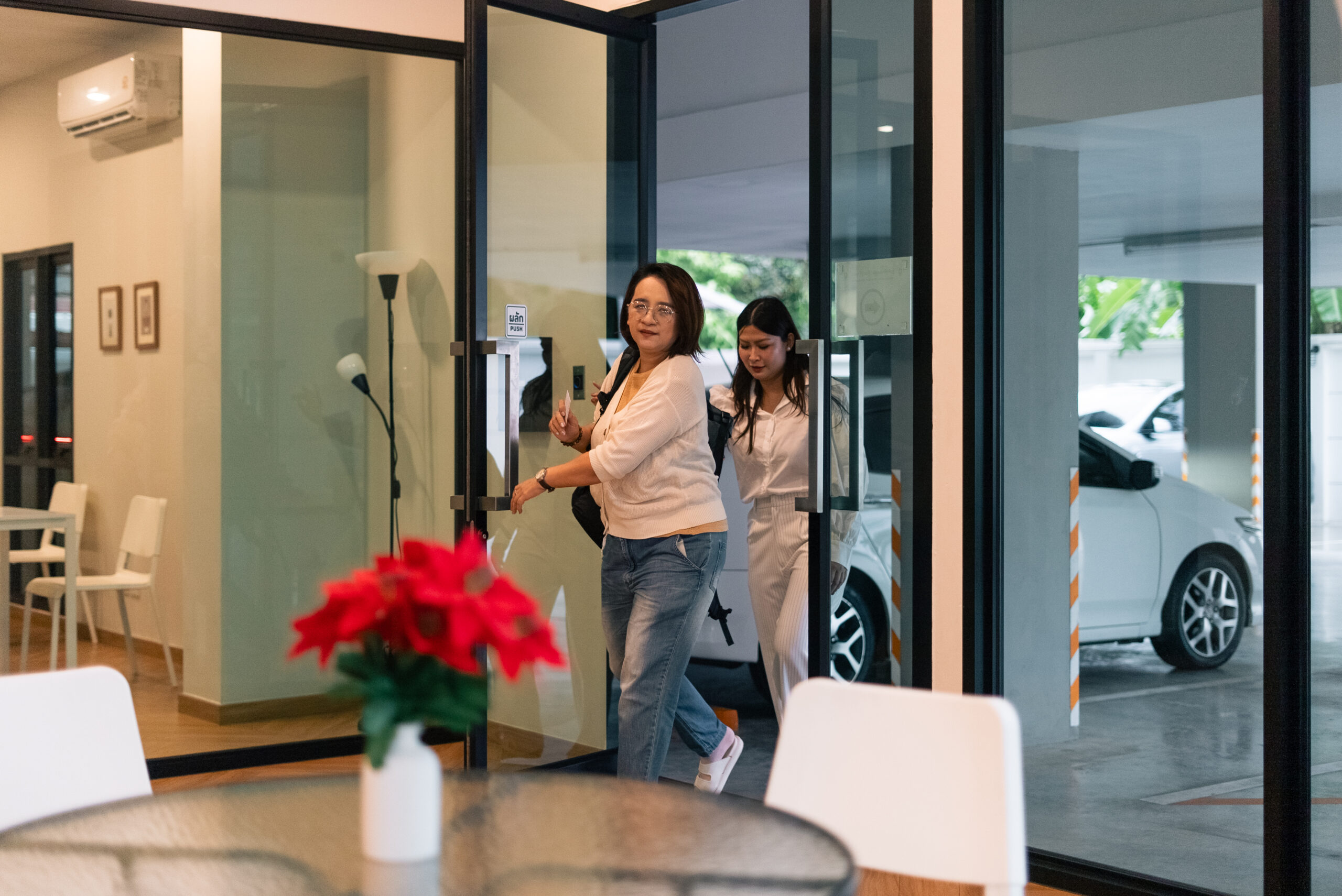
Security is a top priority in commercial buildings. Access control systems regulate entry, ensuring only authorized personnel can enter. These systems often use keycards or biometric scans for verification. By limiting access, they enhance safety and prevent unauthorized entry.
Video surveillance complements access control. Cameras monitor activities, providing live feeds and recordings. This deters potential threats and aids in incident investigations. Ensure that your surveillance system covers all critical areas.
Integrating access control and surveillance systems is crucial. A unified security system offers centralized management and better oversight. It allows for quick responses to any security breaches. Implementing these solutions provides peace of mind and protects your assets.
Energy Management and PoE Lighting Solutions
Energy management is essential for cost savings and sustainability. Start with smart energy management systems. They monitor consumption and identify areas for improvement. By analyzing data, you can adjust systems to minimize waste.
PoE lighting solutions are another key component. They use Ethernet cables for power and data, simplifying installation and reducing costs. These systems offer flexible control over lighting, adapting to changes in occupancy and natural light.
Implementing energy management and PoE lighting contributes to a sustainable building. It reduces utility bills and supports environmental goals. By focusing on energy efficiency, you create a building that is both cost-effective and eco-friendly.
By following these guidelines, you can design a smart building that is user-friendly, reliable, and efficient. Smartopia is here to help you every step of the way. Explore more about our solutions and how we can assist your building automation needs here.
Comments are closed