Building a Scalable Technology Roadmap for Mixed-Use Spaces: What to Consider
Building a Scalable Technology Roadmap for Mixed-Use Spaces: What to Consider
Most mixed-use developments start with good intentions but quickly get tangled in complex tech choices. You want a scalable technology roadmap that keeps your building automation, enterprise networking, and smart building integration running smoothly as demands grow. This guide breaks down key factors to plan future-proof solutions tailored for Toronto’s mixed-use spaces, helping you avoid costly mistakes and ensure seamless operation. For more insights on developing successful strategies, consider exploring this guide.
Key Considerations for a Scalable Roadmap
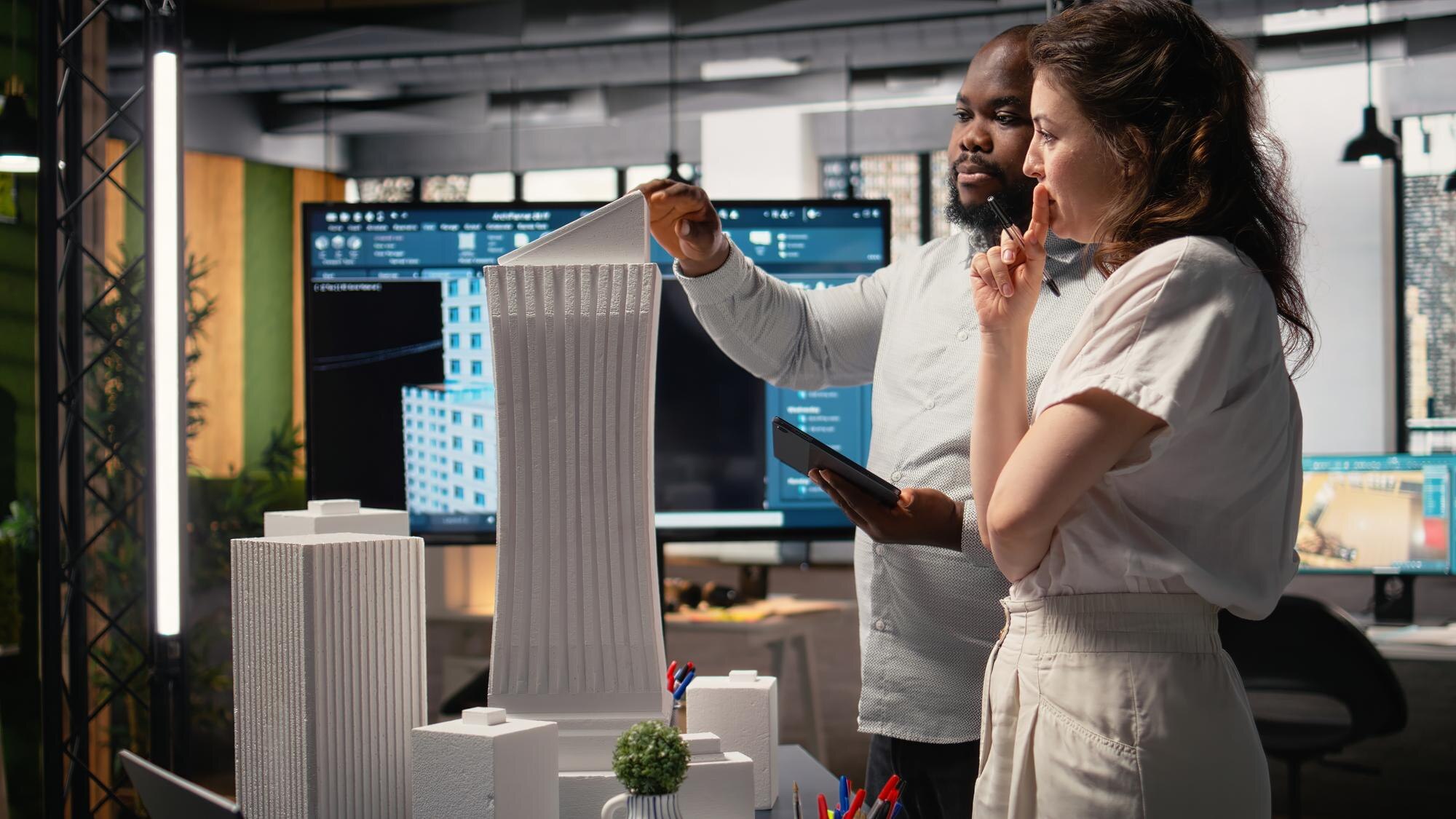
When planning a scalable technology roadmap, you must first understand the unique needs of your mixed-use development. This ensures that each component works together smoothly and efficiently.
Defining Mixed-Use Technology Needs
Start by identifying the specific technology requirements for your space. Is there a high demand for seamless connectivity, or does energy management take priority? Knowing this helps in selecting the right solutions. Take a moment to consider the technologies that can streamline operations or enhance user experiences.
For example, a building might need robust Wi-Fi for a communal workspace, while another might prioritize smart HVAC systems to save energy. Your approach should focus on what adds the most value to your space. Identifying these needs early on saves time and resources in the long run.
Prioritizing Smart Building Integration
Smart building integration is more than just a trend; it’s a necessity for modern developments. By incorporating smart technology, you pave the way for efficient operations and improved user experiences.
Think of smart lighting systems that adjust according to natural light or sensors that optimize energy use. These innovations not only decrease operational costs but also enhance comfort for occupants. As you prioritize these systems, consider how they interact with other building technologies to ensure a cohesive setup.
Emphasizing Open Standards and Interoperability
Interoperability is the backbone of a scalable technology roadmap. Open standards allow different systems to communicate effectively, avoiding compatibility issues that disrupt operations.
Picture this: your building automation system seamlessly connects with HVAC controls and security systems. This integration is possible only when technologies adhere to open standards, ensuring a smooth operation. It’s a crucial step for future expansion, allowing your development to adapt as technology evolves.
Components of a Future-Proof Strategy

With a clear understanding of your needs, the next step is to incorporate key components that ensure longevity and adaptability.
Integrating Building Automation Systems
Building automation systems (BAS) are essential for efficient management of facilities. A well-integrated BAS can control HVAC, lighting, and security, reducing energy consumption and enhancing comfort.
For instance, automated lighting systems can adjust based on occupancy, saving energy and costs. Similarly, a centralized control for HVAC can maintain optimal temperatures, improving user satisfaction. By focusing on these systems, you ensure your building remains efficient and comfortable for years to come.
Advancing Enterprise Networking and AV
In today’s tech-driven world, reliable enterprise networking and professional AV systems are non-negotiable. They support essential functions like digital signage and video conferencing, crucial for modern developments.
Imagine a seamless video conference experience, free of connectivity issues, or a digital sign that updates in real-time. These are the benefits of advanced networking and AV systems. Prioritizing these technologies enables smooth operations and enhances communication within your space.
Implementing EV Charging Infrastructure
With the rise of electric vehicles, having a robust EV charging infrastructure is becoming a necessity. It not only attracts eco-conscious tenants but also adds value to your development.
Consider installing charging stations that cater to different vehicle types, ensuring accessibility for all users. This move not only supports sustainability goals but also positions your development as forward-thinking and environmentally responsible.
Ensuring Security and Lifecycle Management

Long-term success hinges on robust security and effective lifecycle management of your technology investments.
Addressing Cybersecurity for Buildings
In an interconnected world, cybersecurity is paramount. Protecting your building’s data and systems from cyber threats is crucial for maintaining trust and safety.
Implement strategies like regular security audits and software updates to safeguard your infrastructure. By prioritizing cybersecurity, you protect your investment and ensure the privacy of your occupants.
Embracing IT/OT Convergence
IT/OT convergence blends information technology with operational technology, creating a unified infrastructure. This integration enhances data flow and improves decision-making processes.
For example, real-time data from operational systems can inform IT strategies, leading to more efficient operations. Embracing this convergence means staying ahead in a rapidly evolving tech landscape.
Planning for Ongoing Lifecycle Management
Lifecycle management ensures your technology remains relevant and efficient over time. Regular assessments and updates are key to maintaining optimal performance.
Develop a plan for periodic evaluations to identify areas requiring upgrades or replacements. This proactive approach ensures your systems remain future-proof and continue to meet the needs of your development.
In conclusion, crafting a scalable technology roadmap involves understanding your development’s unique needs, integrating key systems, and ensuring robust security. By focusing on these areas, you position your mixed-use space for long-term success and adaptability.


Comments are closed