
Before You Buy: What Property Managers Need to Know About Smart Building Tech
Before You Buy: What Property Managers Need to Know About Smart Building Tech
Smart building technology promises big savings and smoother operations. Yet, many property managers face costly mistakes without the right know-how. Before you invest, learn how to spot risks, define clear ROI, and pick a trusted Toronto technology integrator. This guide arms you with practical steps to protect your investment and boost building performance. For more insights, visit this guide on smart building solutions.
Evaluating Smart Building Technology
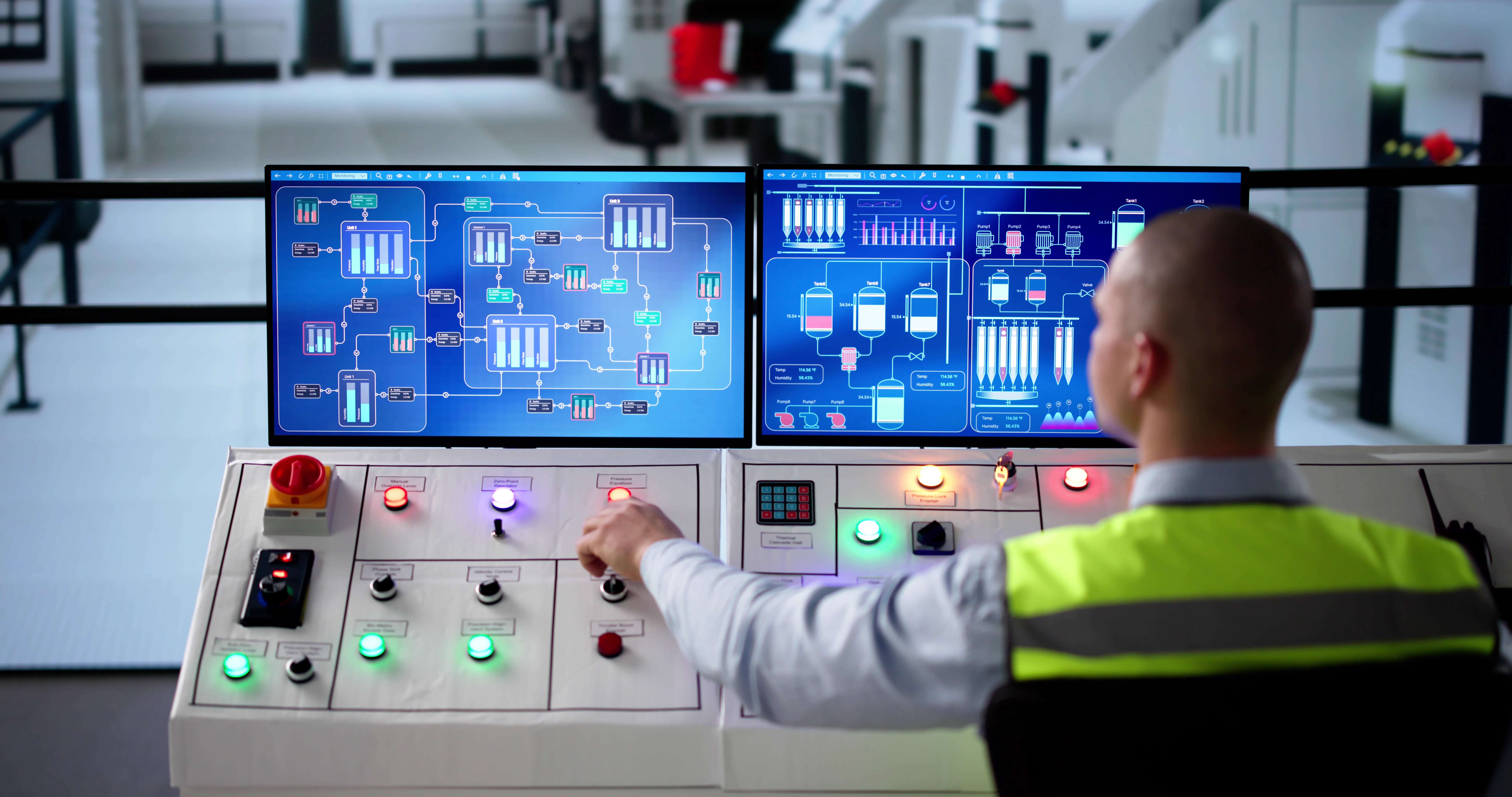
Starting with a clear understanding of smart building tech can save you a lot of headaches. Knowing what to look for will help you make informed decisions and protect your investment.
Understanding Building Automation Systems
Building Automation Systems (BAS) are at the heart of smart buildings. They control and monitor building functions like HVAC, lighting, and access control. Imagine your building adjusting temperatures automatically based on the time of day or occupancy levels. This not only saves energy but also keeps tenants comfortable.
When choosing a BAS, look for systems compatible with industry standards like BACnet and Modbus. These standards ensure your system can communicate with a wide range of devices, making it easier to upgrade or expand in the future. A good BAS should be intuitive, so your team can manage it without needing a degree in engineering.
Most people think all systems are the same, but it’s crucial to choose one that fits your specific needs. The right BAS can make all the difference in achieving energy efficiency and operational reliability. For a deeper dive into smart building systems, check out this property manager’s guide.
Key Criteria for BAS Integration
Integrating a BAS requires careful planning. Start by assessing your building’s current infrastructure. Knowing what you have will guide your integration process and help you avoid unnecessary costs.
Focus on systems that offer scalability, allowing you to add new features as your needs evolve. Look for vendors that provide comprehensive support and training. This can save you time and money in the long run by reducing errors and maintenance issues.
It’s also vital to consider user interface design. A simple, user-friendly interface can significantly reduce the learning curve for your team. Don’t underestimate the power of good design—it can lead to quicker adoption and smoother operations.
Importance of Open API and IoT Sensors
Open API and IoT sensors are game-changers in smart building tech. An open API allows different systems to communicate seamlessly, offering greater flexibility in choosing vendors and solutions. For example, an open API can let your BAS talk to third-party apps for tasks like energy monitoring or occupancy tracking.
IoT sensors provide real-time data on everything from air quality to occupancy levels. They can alert you to issues before they become problems, reducing downtime and maintenance costs. Imagine being notified of a leak before it causes any damage. This proactive approach can safeguard your investment and enhance tenant satisfaction.
The longer you wait to integrate these technologies, the more you risk falling behind in efficiency and tenant satisfaction. To explore more about integrating cutting-edge tech, visit this insightful article.
Calculating ROI and Assessing Risks

Once you understand the basics, it’s time to look at the numbers. Calculating ROI and assessing risks will ensure you’re making a sound investment.
Total Cost of Ownership Considerations
Understanding the total cost of ownership (TCO) is crucial when evaluating smart building solutions. TCO includes not just the initial purchase price, but also installation, maintenance, and operational costs over time.
Start by listing all potential expenses, including possible upgrades and training. This will give you a clearer picture of the financial commitment involved. It’s easy to focus on upfront costs, but ongoing expenses can add up quickly if not properly accounted for.
Consider energy savings as a major factor in your TCO calculation. Efficient systems can significantly lower utility bills, offering a faster return on investment. Remember, the cheapest option upfront isn’t always the most cost-effective in the long run.
Impact on Tenant Experience
Your investment in smart technology should enhance the tenant experience. Happy tenants are more likely to renew leases, reducing turnover and vacancy rates. Imagine a building where tenants can control their environment through a smartphone app. This level of convenience can set your property apart from the competition.
Focus on features that directly benefit tenants, such as improved air quality and personalized climate control. These can lead to higher satisfaction rates and better retention. Don’t overlook the power of word-of-mouth; satisfied tenants are more likely to recommend your building to others.
Predictive Maintenance and Energy Management
Predictive maintenance uses data from IoT sensors to identify potential issues before they become costly problems. This approach can reduce downtime and extend the lifespan of your building’s systems.
Energy management is another key area where smart technology shines. By optimizing HVAC systems and lighting, you can achieve significant energy savings. For example, smart lighting systems can adjust based on natural light levels, saving energy without compromising comfort.
By adopting predictive maintenance and energy management, you not only save money but also contribute to sustainability efforts. This can be a strong selling point for eco-conscious tenants. Learn more about these benefits from CBIZ insights.
Choosing a Reliable Technology Partner

Now that you have a handle on evaluating tech and assessing ROI, choosing the right partner becomes crucial. The right technology partner can make your smart building journey a success.
Evaluating Service Level Agreements
Service Level Agreements (SLAs) define the level of service you can expect from your technology partner. Look for SLAs that offer clear commitments on response times and issue resolution. A strong SLA will ensure that you receive timely support, minimizing downtime and maintaining tenant satisfaction.
When reviewing SLAs, consider what’s most important for your building’s operations. Is it rapid response times, or perhaps proactive maintenance? Make sure these priorities are clearly outlined in the agreement.
Most people assume all SLAs are the same, but they can vary significantly between providers. Take the time to read the fine print and ensure it aligns with your expectations.
Importance of Local Support in the GTA
Having local support in the Greater Toronto Area is invaluable. Local partners can offer quick on-site assistance, reducing wait times and ensuring swift resolutions. This can be particularly beneficial during emergencies or when immediate action is required.
A local presence also means better understanding of regional regulations and market needs. This can translate into more tailored solutions and support. When choosing a partner, prioritize those with a strong local footprint in the GTA.
Ensuring Cybersecurity for Buildings
Cybersecurity is a critical aspect of any smart building system. With increasing connectivity, buildings are becoming more vulnerable to cyber threats. Protecting your building’s data and systems should be a top priority.
Choose technology partners that prioritize cybersecurity and offer robust protection measures. This includes encryption, regular security updates, and access control. Investing in cybersecurity not only protects your assets but also builds trust with tenants.
With the rise of smart buildings, cybersecurity is more important than ever. Don’t leave your building vulnerable to attacks. For further insights into cybersecurity for buildings, refer to this article on digital-age property management.
By understanding these aspects of smart building technology, you’re equipping yourself to make informed decisions that can enhance building operations and tenant satisfaction. Remember, the right technology partner can make all the difference.


Comments are closed