Digital Signage for Business: Treat It Like Operations, Not Decoration
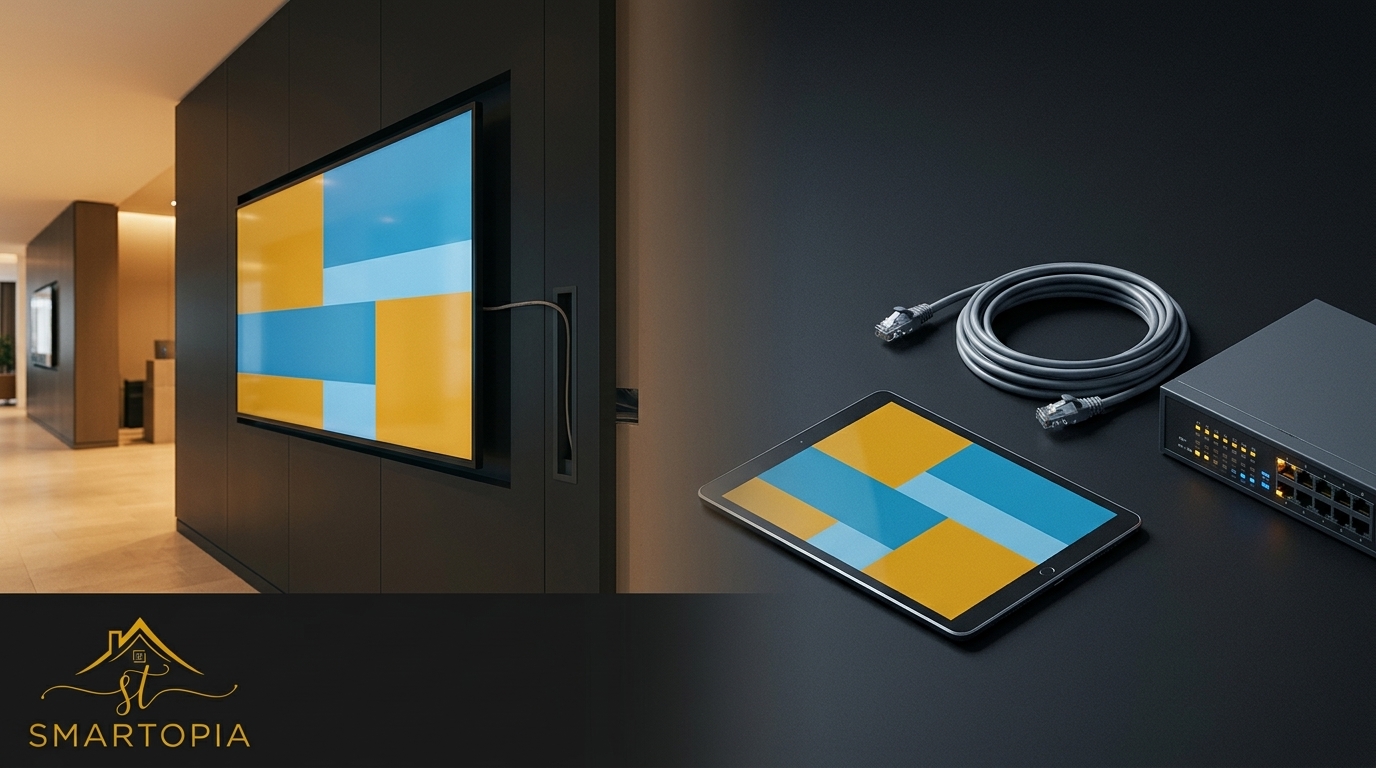
Digital signage for business is often mistaken for mere decoration. The truth is, it’s a critical operational tool that keeps messages consistent and updates fast across multiple sites. When your signage system connects smoothly with your network and AV setup, you reduce manual work and avoid costly delays. In this post, you’ll learn how centralized content management turns digital signage into a dependable part of your business continuity. For more insights, visit this page.
Digital Signage as Operations
Digital signage is more than just visually appealing screens; it’s an essential part of business operations. By managing your content centrally, you simplify control and enhance efficiency.
Centralized Content Management
Managing digital signage content from one location brings several benefits. It ensures that messages are uniform across all your sites. This means less manual input and fewer errors. You can swiftly update promotions, alerts, or schedules without hassle. Imagine having a sale announcement appear simultaneously in every store without any delay. This efficiency is what centralized content management offers. It’s not just about saving time; it’s about maintaining consistency and reliability in your messaging. As noted by this source, governance of digital signage as an IT system ensures smooth operations.
Role-Based Access and Control
Role-based access simplifies who can manage and update content. Not everyone in your organization needs full access to these systems. By assigning roles, you ensure that only authorized personnel can make changes. This limits potential errors and keeps content secure. You protect sensitive information while still allowing for efficient updates. Think of it as having a locked toolbox with only certain keys distributed. This method streamlines operations and enhances security, making digital signage a more controlled and reliable resource.
Multi-Site Digital Signage Challenges
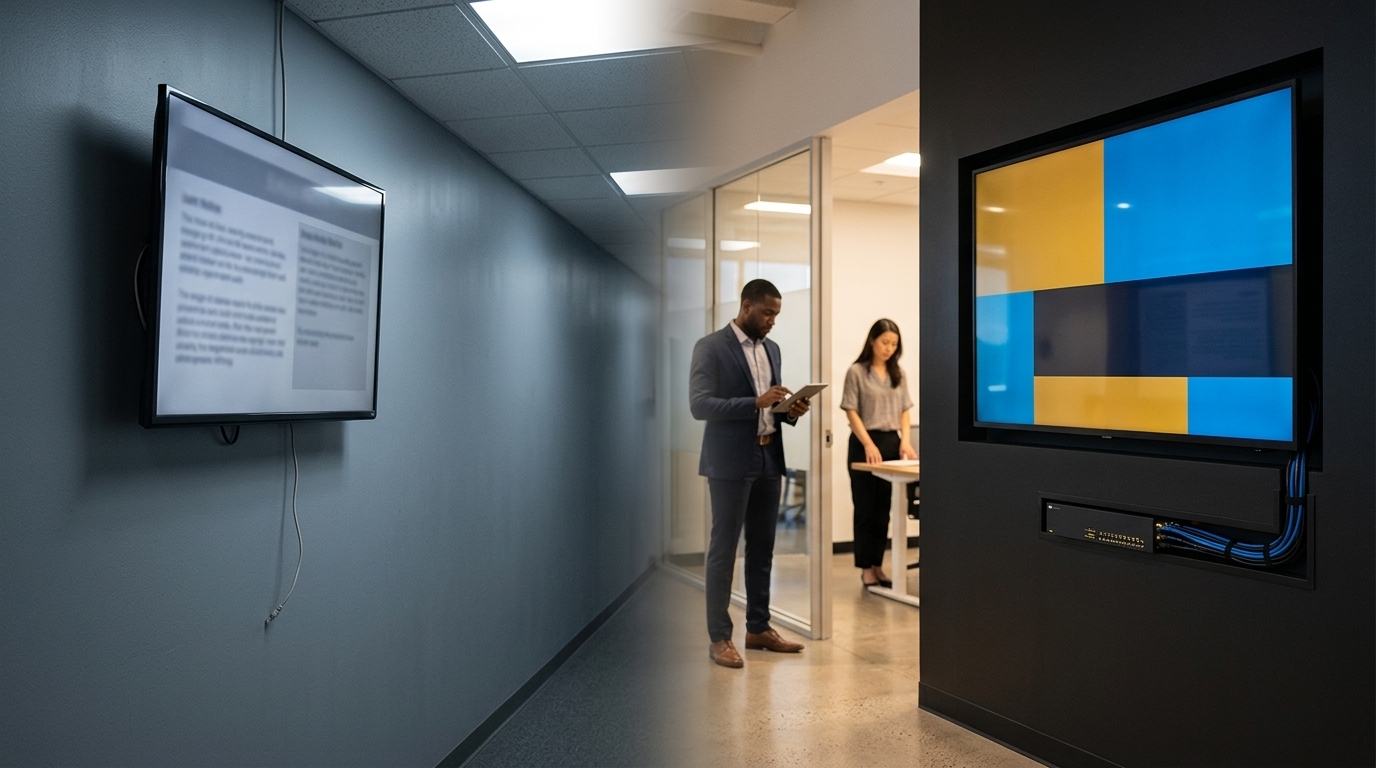
Managing digital signage across multiple locations presents unique challenges. However, with the right strategies, you can overcome these obstacles and ensure operational success.
Consistency Across Multiple Locations
Ensuring that messaging remains consistent across various sites is vital. Inconsistent messaging can confuse employees and customers alike. With centralized systems, you maintain a uniform message. This approach removes the risk of one location displaying outdated or incorrect information. A unified system means every site can reflect the same company updates and promotions with precision. This consistency helps uphold your brand’s reputation and ensures that your audience receives the intended message, no matter where they are.
Common Operational Mistakes
Several common mistakes can disrupt digital signage operations. One is failing to integrate your signage with existing network systems. Another is overlooking regular maintenance checks. Without proper integration, your signage can become isolated, creating delays and inconsistencies. Regular checks ensure that each component, from screens to software, works efficiently. By avoiding these pitfalls, you ensure your digital signage functions as a robust communication tool, boosting your business operations.
Smartopia’s Integrated Solutions
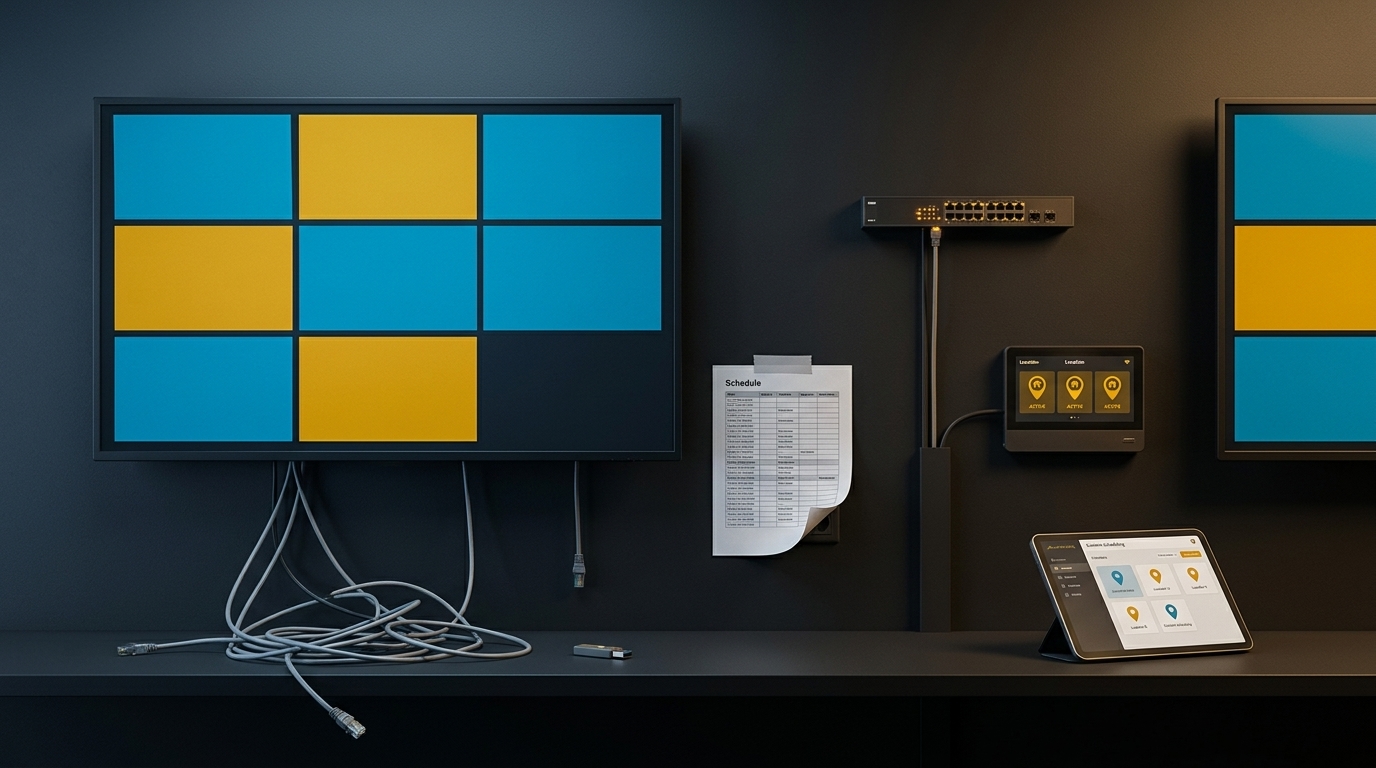
Smartopia offers solutions that integrate AV and networking to enhance your digital signage experience. This integration improves performance and reliability.
AV and Networking Integration
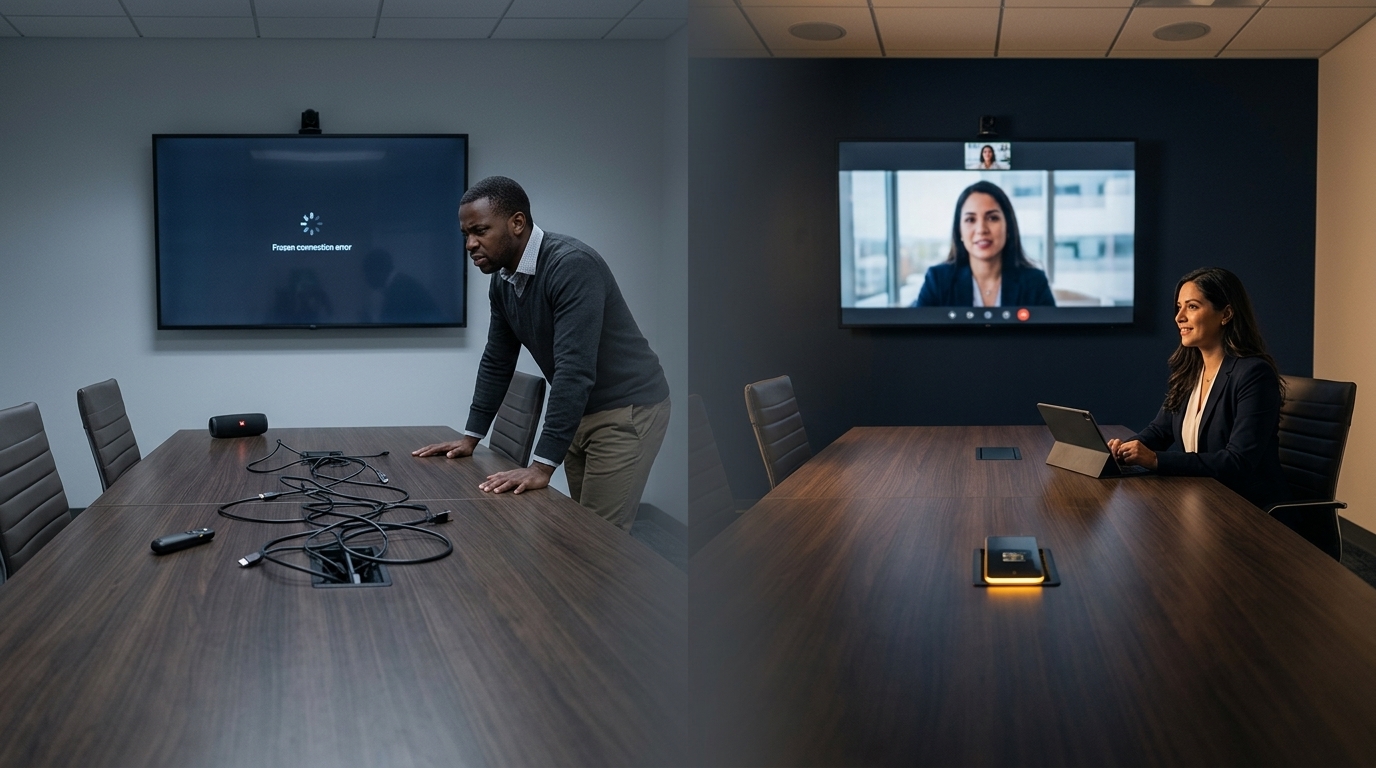
Integrating AV and network systems is crucial for effective digital signage. Smartopia ensures your signs connect seamlessly with existing systems, enhancing performance. This integration minimizes downtime and optimizes efficiency. With everything synced, updates occur at lightning speed across all locations. Your business benefits from reduced manual input and fewer technical hiccups. This approach ensures that your signage remains a dependable and efficient part of your operations, supporting your communication needs at every level.
Data-Driven Signage Benefits
Using data-driven insights enhances your digital signage strategy. By analyzing audience interactions, you can tailor content to suit viewer preferences. This personalization increases engagement and ensures your messages resonate with your audience. Moreover, data-driven signage allows for real-time updates and targeted content delivery. It’s not just about displaying information; it’s about delivering the right message to the right audience at the right time. This approach maximizes the effectiveness of your signage, turning it into a powerful tool for business continuity and customer engagement.
Frequently Asked Questions
What is digital signage for business?
Digital signage for business involves using digital displays to communicate messages, promotions, or updates to customers and employees. It’s a vital tool for ensuring consistent and timely communication across multiple locations.
How does centralized content management work?
Centralized content management allows businesses to control and update digital signage from one central location. This ensures consistency and reduces the risk of errors, making updates quicker and more reliable.
Why is AV and networking integration important?
Integrating AV and networking systems ensures that digital signage operates smoothly and efficiently. This integration minimizes technical issues and allows for seamless updates across all business locations.
What are the benefits of role-based access in digital signage?
Role-based access limits who can update and manage digital signage content, enhancing security and reducing the chance of unauthorized changes. This approach streamlines operations and ensures only qualified personnel can make updates.
How can data-driven signage improve business operations?
Data-driven signage uses insights from audience interactions to tailor content, increasing engagement and ensuring messages resonate with viewers. This personalization leads to more effective communication and improved customer experiences.
Comments are closed